

Derek Parham
Reporter and Host, All Things ConsideredDerek joined WKU Public Radio as a reporter and local host of All Things Considered in January, 2025. Originally a central Illinois native, he graduated from Otterbein University in Westerville, OH in 2020 with a Bachelor's degree in journalism and media communication. He enjoyed two years in Portland, OR before making the move to southern Kentucky. Prior to joining WKU Public Radio, Derek worked as a multimedia journalist at WBKO TV.
-
 Last updated in 2000, the water district’s system has been plagued by unreliable water access, concerns about water quality, and an eroding sense of public trust in the district.
 -
 In a “Kentucky Needs Assessment" from the Nature Conservancy, Kentucky ranks last among peer states for conservation funding with just under $2.4 million allocated to just one conservation funding program.
 -
 “If you’re wondering this season which doe is the right one to take, it’s the next one that comes across your sights," said Joe McDermott.
 -
 BGPD will not share their information with ICE agents, but has little control over neighboring agencies with access to their camera data.
 -
 The Center for Biological Diversity is suing the U.S. Fish and Wildlife Service for failing to decide whether to protect an imperiled salamander found in Kentucky, Tennessee, Virginia, and West Virginia.
 -
 Truffle cultivators are becoming increasingly common across Appalachia and the southeast region, and say the climate and soil quality are ideal for growing the coveted fungi.
 -
 Bowling Green and Paducah are two of the sites where protesters gathered to denounce the killing of a Minnesota woman who was shot to death by a ICE agent.
 -
 President Donald Trump has implemented new restrictions to refugee employment opportunities and food assistance while prioritizing entry application approvals for white South Africans.
 -
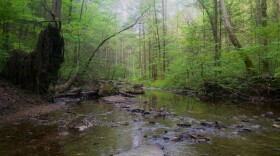 The EPA is moving to narrow the definitions of protected waterways under the Clean Water Act, opening many waterways to pollution and destruction.
 -
 Researchers at the University of Kentucky are searching for signs of a fungal disease impacting the state's native snakes.


